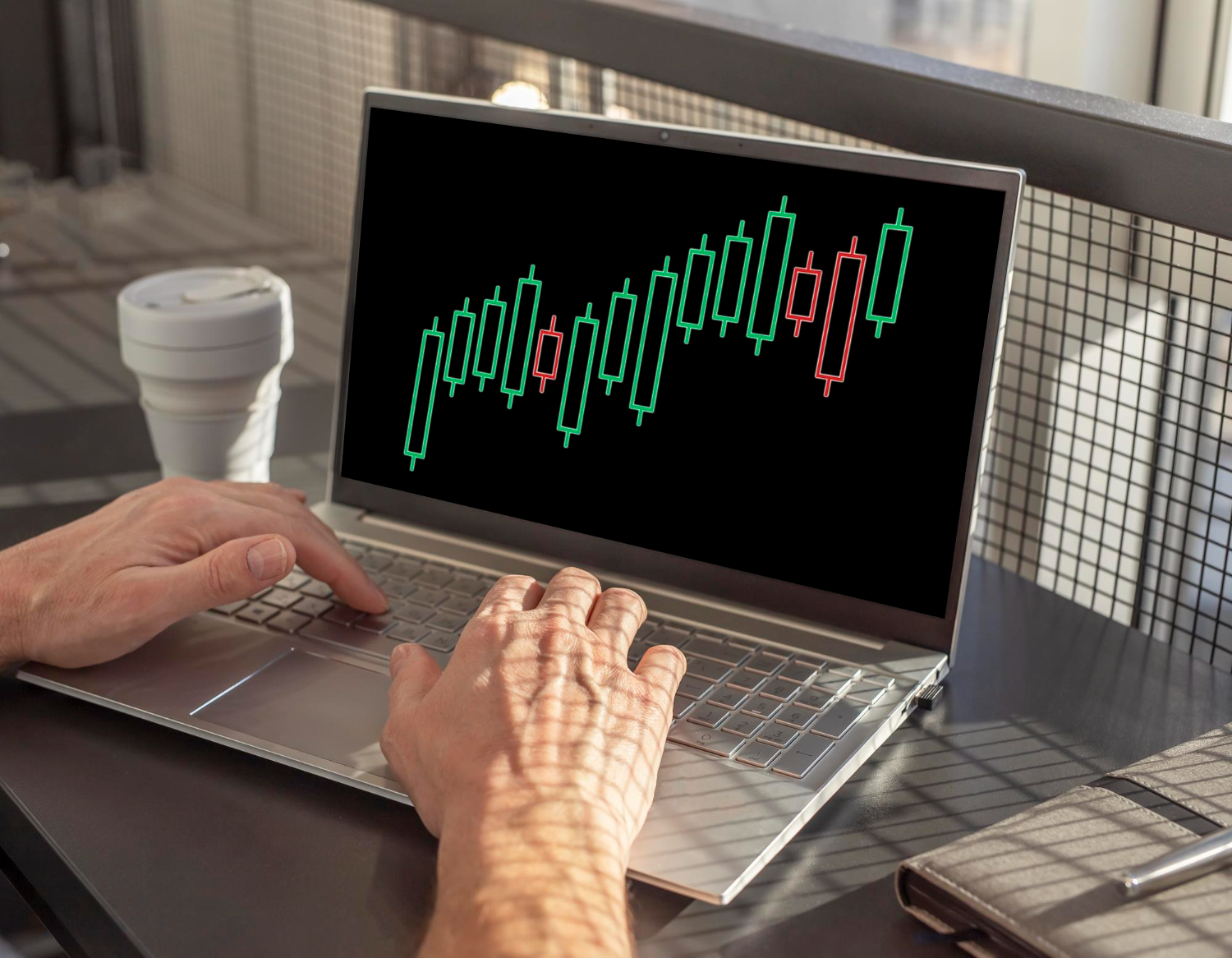
Forex trading has become an increasingly popular investment avenue for many Filipinos, offering the potential for significant returns in a dynamic market. However, the Forex market can be volatile and challenging to navigate, especially for beginners. To succeed in Forex trading in the Philippines, it is essential to develop effective strategies that can help manage risks and enhance profitability. This article outlines key strategies for successful Forex trading, tailored specifically for the Philippine market.
Understanding the Philippine Forex Market
Before diving into strategies, it’s crucial to understand the unique aspects of the Philippine Forex market:
1. Regulatory Framework: The Forex market in the Philippines is regulated by the Bangko Sentral ng Pilipinas (BSP) and the Securities and Exchange Commission (SEC). It’s important to trade with brokers that are licensed and regulated to ensure a secure trading environment.
2. Currency Pairs: The Philippine peso (PHP) is often traded against major currencies like the US dollar (USD), euro (EUR), and Japanese yen (JPY). Understanding the factors that influence these currency pairs is key to successful trading.
3. Economic Influences: Economic indicators, government policies, and geopolitical events can significantly impact currency values. Staying informed about local and global economic news is essential for making informed trading decisions.
Effective Strategies for Forex Trading
1. Develop a Trading Plan
A well-defined trading plan is the foundation of successful Forex trading. Your plan should include:
– Trading Goals: Define your financial objectives and what you aim to achieve through trading.
– Risk Management: Determine how much capital you are willing to risk on each trade, typically no more than 1-2% of your total account.
– Entry and Exit Strategies: Establish criteria for entering and exiting trades based on technical and fundamental analysis.
2. Master Technical Analysis
Technical analysis involves studying past price movements to identify potential future trends. Key components include:
– Chart Patterns: Familiarize yourself with common chart patterns, such as head and shoulders, triangles, and flags, which can indicate potential market movements.
– Indicators: Use technical indicators like Moving Averages, Relative Strength Index (RSI), and Bollinger Bands to help identify trends and overbought or oversold conditions.
– Support and Resistance Levels: Identify key support and resistance levels to determine potential entry and exit points.
3. Stay Informed About Market News
Economic news and events can significantly impact currency values. Stay updated on:
– Economic Indicators: Monitor key indicators such as GDP growth, inflation rates, employment figures, and interest rate decisions. These factors can influence currency strength and volatility.
– Political Developments: Be aware of local and global political events that may affect market sentiment and currency stability.
4. Practice Risk Management
Effective risk management is crucial for long-term success in Forex trading. Key practices include:
– Use Stop-Loss Orders: Implement stop-loss orders to automatically close your position if the market moves against you. This helps limit potential losses.
– Position Sizing: Adjust the size of your trades based on your risk tolerance and the volatility of the currency pair you are trading.
– Diversification: Avoid putting all your capital into a single trade or currency pair. Diversifying your portfolio can help mitigate risks.
5. Leverage Technology
Utilize trading platforms and tools that enhance your trading experience:
– Trading Platforms: Choose a reliable trading platform such as MetaTrader 5 (MT5) or other user-friendly platforms that offer advanced charting tools and real-time data.
– Mobile Trading: Consider mobile trading apps that allow you to monitor your positions and execute trades on the go.
– Automated Trading: Explore algorithmic trading options or Expert Advisors (EAs) that can execute trades based on predefined criteria, helping to remove emotional decision-making.
6. Engage with the Trading Community
Connecting with other traders can provide valuable insights and support:
– Join Online Forums: Participate in trading forums and social media groups where you can share experiences, strategies, and market insights with fellow traders.
– Attend Workshops and Seminars: Look for local workshops or online webinars that focus on Forex trading strategies, market analysis, and risk management.
7. Start with a Demo Account
Before committing real capital, practice trading with a demo account. This allows you to:
– Familiarize Yourself with the Platform: Get comfortable with the trading platform’s features and tools without risking real money.
– Test Your Strategies
: Experiment with different trading strategies and refine your approach based on your performance in the demo environment.
Conclusion
Navigating the Forex market in the Philippines requires a combination of knowledge, strategy, and discipline. By developing a comprehensive trading plan, mastering technical analysis, staying informed about market news, and practicing effective risk management, Filipino traders can enhance their chances of success in this dynamic and potentially lucrative market.
As the Philippine trading Forex landscape continues to evolve, embracing these strategies will empower traders to make informed decisions and work towards achieving their financial goals. Remember, successful Forex trading is a journey that requires continuous learning and adaptation. Happy trading!